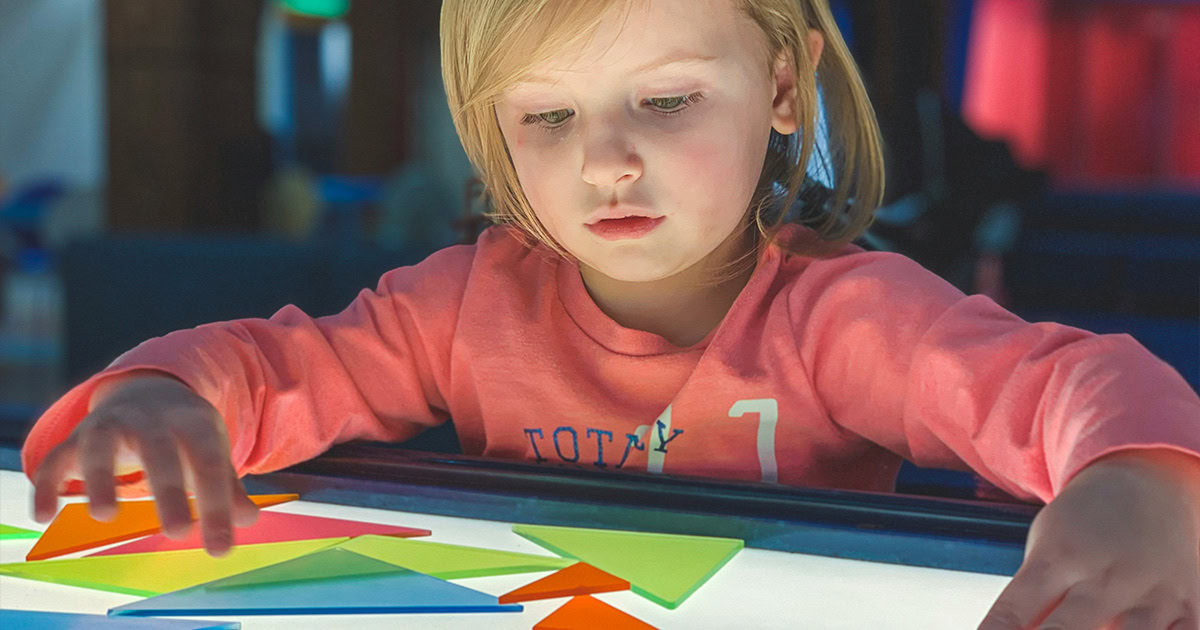
Very few Nordics, only 6 percent, believe that starting to use AI tools such as ChatGPT and Google Gemini would be appropriate for children under the age of ten. According to the study, Swedes are even more critical than Finns and Danes when it comes to children’s use of AI.
Solita’s new report is based on responses from more than 3,000 office and knowledge workers in Sweden, Finland and Denmark, collected by Kantar Media.
There has recently been an active global debate about young people’s use of social media. Australia has banned social media use for children under the age of 16, and in many European countries, such as Denmark and the Netherlands, the issue is being discussed critically and restrictions are being considered.
The new study shows that in the Nordics, there is also a cautious attitude towards children’s and young people’s use of AI tools at an early age.
“The research results clearly show that media and AI literacy are highly valued in the Nordic countries. Using AI tools may seem ‘childishly easy’ on the surface, but in reality, it requires the development of a wide range of cognitive skills and the ability to question different types of content,” says Lasse Girs, Head of Solita’s AI Studio.
“I fully understand why people take a cautious approach to children’s use of AI. Caution is justified in light of existing research. Studies conducted with adults suggest that when using AI, people tend to rely less on critical thinking and problem-solving. The use of AI also appears to weaken memory retention and may therefore have a significant impact on learning. As for children, there is not yet enough high-quality research on how AI use affects brain function,” says neuroscientist and Doctor of Psychology Mona Moisala.
About the survey
The survey behind the report How AI is transforming Nordic work life 2026 was conducted by Kantar Media on behalf of Solita between 30 October and 11 November 2025. The survey includes more than 3,000 office workers in Sweden (n=1,037), Finland (n=1,042), and Denmark (n=1,019), using nationally representative online panels (ages 20–65).
The report builds on Solita’s 2024 survey in Finland and Sweden and, for the first time this year, includes Denmark, enabling comparisons across all three Nordic markets.
Read more
Solita AI Report: How AI is transforming Nordic work life 2026
- Solita and Generative AI
- Solita and AI
For more information
- Mona Moisala, PhD, Brain Health Expert, m[email protected]
- Solita, Lasse Girs, Head of AI Studio, [email protected], +358 40 591 8106
- Solita Finland, Mikael Ruohonen, Business Lead, AI, Analytics & Agents, [email protected], +359 41 451 6808
- Solita Sweden, Niklas Liedholm, Head of AI, [email protected], +46 705 396 464
- Solita Denmark, Snurre Jensen, Sales Director Data & AI, [email protected], +45 2265 8238